
Jharkhand: The Land of Forests, Minerals, Culture, and Untold Stories

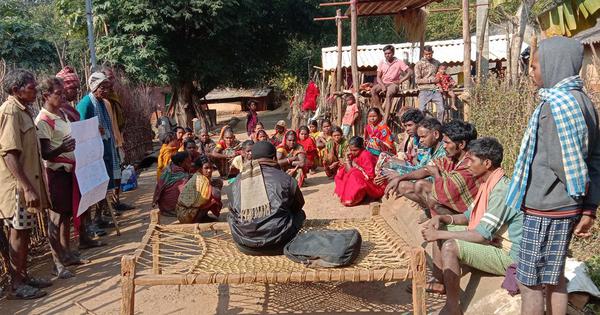
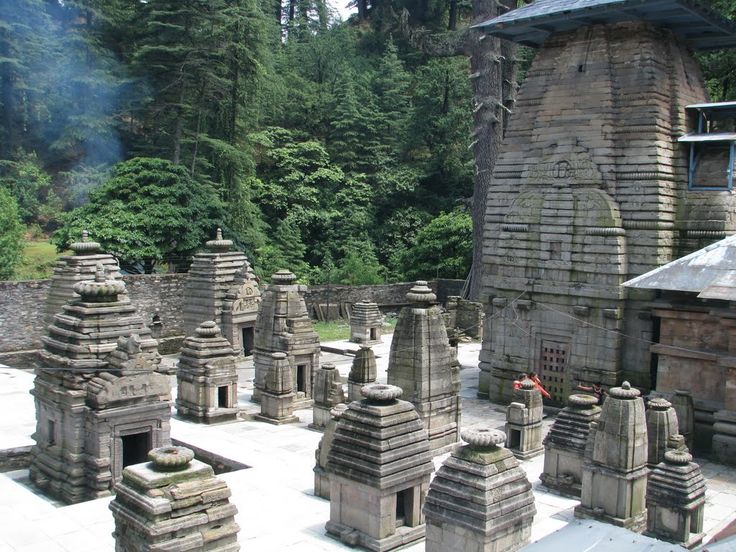
Jharkhand, one of India’s youngest states, is a land of immense natural beauty, rich tribal culture, and vast mineral resources. Often referred to as “The Land of Forests”, Jharkhand is located in eastern India and was carved out of Bihar on 15 November 2000. Despite its abundant resources, the state remains less explored compared to other tourist destinations in India, making it a place full of untold stories, traditions, and opportunities.
This blog explores Jharkhand’s history, geography, culture, economy, tourism, tribal life, festivals, challenges, and future potential in detail.
- Historical Background of Jharkhand
The history of Jharkhand dates back to ancient times. The region was inhabited primarily by tribal communities such as the Santhal, Munda, Oraon, Ho, and Kharia. These tribes lived independently in forests and hills, following their own customs and systems of governance.
Ancient and Medieval Period
Jharkhand was part of the Magadha Empire in ancient India.
The region later came under the influence of Mauryan and Gupta empires.
During medieval times, it remained largely autonomous due to its dense forests and difficult terrain.
British Colonial Period
During British rule, Jharkhand became a center of tribal resistance:
Birsa Munda, one of India’s greatest tribal freedom fighters, led the Ulgulan (The Great Tumult) against British oppression.
Several tribal uprisings like the Santhal Rebellion (1855–56) challenged colonial policies.
Formation of Jharkhand
After independence, the demand for a separate state grew due to cultural, linguistic, and economic differences. Finally, in 2000, Jharkhand became the 28th state of India. - Geography and Natural Resources
Jharkhand is blessed with diverse geography and rich natural wealth.
Location and Terrain
Located in eastern India, bordered by Bihar, West Bengal, Odisha, Chhattisgarh, and Uttar Pradesh.
Dominated by the Chota Nagpur Plateau.
Features hills, plateaus, valleys, forests, and rivers.
Rivers
Major rivers include:
Damodar
Subarnarekha
Koel
Barakar
These rivers support agriculture, industry, and hydroelectric projects.
Mineral Wealth
Jharkhand is known as India’s mineral hub:
Coal
Iron ore
Copper
Bauxite
Uranium
Mica
The state contributes significantly to India’s steel and power industries. - Climate of Jharkhand
Jharkhand has a tropical climate with three main seasons:
Summer (March–June): Hot, temperatures up to 40°C
Monsoon (July–September): Moderate to heavy rainfall
Winter (October–February): Cool and pleasant
The climate supports forests, agriculture, and wildlife. - Tribal Culture and Lifestyle
One of the most unique aspects of Jharkhand is its tribal culture.
Major Tribal Communities
Santhal
Munda
Oraon
Ho
Bhumij
Kharia
Each tribe has its own language, customs, dress, music, and festivals.
Social Life
Strong connection with nature
Community-based living
Traditional village councils
Respect for forests, rivers, and land
Art and Craft
Tribal paintings
Wood carving
Bamboo crafts
Stone sculptures
Jharkhand’s tribal art reflects simplicity, spirituality, and harmony with nature. - Language and Literature
Jharkhand is linguistically diverse.
Languages Spoken
Hindi (official language)
Urdu
Santhali
Mundari
Ho
Kurukh (Oraon)
Nagpuri
Santhali is recognized under the Eighth Schedule of the Indian Constitution. - Festivals of Jharkhand
Festivals in Jharkhand are deeply connected to nature and agriculture.
Major Festivals
Sarhul: Celebrates the worship of Sal trees
Karam: Dedicated to the Karam tree and brotherhood
Sohrai: Harvest festival
Mage Parab: New Year festival of tribes
Tusu Parab: Folk festival during winter
These festivals include traditional dance, music, rituals, and community feasts. - Dance and Music
Jharkhand’s folk dances are energetic and meaningful.
Popular Dances
Chhau Dance (UNESCO-recognized)
Santhali Dance
Jhumar
Paika
Karma Dance
Traditional instruments like Mandar, Dhol, Nagara, and Flute are widely used. - Economy of Jharkhand
Jharkhand’s economy is driven by mining, industry, agriculture, and emerging services.
Industrial Sector
Steel plants (Bokaro, Jamshedpur – Tata Steel)
Power plants
Cement factories
Heavy engineering industries
Agriculture
Rice (main crop)
Wheat
Maize
Pulses
Oilseeds
Despite fertile land, agriculture largely depends on rainfall.
Employment Challenges
Although rich in resources, Jharkhand faces:
Poverty
Unemployment
Migration to other states - Education and Development
Jharkhand has made progress in education but still faces challenges.
Educational Institutions
IIT (ISM) Dhanbad
XLRI Jamshedpur
BIT Mesra
Ranchi University
Challenges
Low literacy in rural and tribal areas
Lack of infrastructure
Dropout rates among tribal students
Government and NGOs are working to improve education and skill development. - Tourism in Jharkhand
Jharkhand is a hidden gem for tourists.
Popular Tourist Destinations
Ranchi: Waterfalls, hills, scenic beauty
Netarhat: “Queen of Chotanagpur”
Betla National Park: Wildlife and forests
Dassam Falls
Hundru Falls
Rajrappa: Chhinnamasta Temple
Parasnath Hill: Holiest Jain pilgrimage site
Eco-Tourism
Dense forests and wildlife make Jharkhand ideal for eco-tourism and adventure tourism. - Wildlife and Forests
Nearly 30% of Jharkhand is covered by forests.
Wildlife
Elephants
Tigers
Leopards
Deer
Bears
Various bird species
Protected areas like Betla National Park help preserve biodiversity. - Challenges Faced by Jharkhand
Despite its strengths, Jharkhand faces many issues:
Poverty and inequality
Malnutrition
Tribal displacement due to mining
Environmental degradation
Political instability
Balancing development with environmental and tribal rights is a major challenge. - Government Initiatives and Future Potential
The Jharkhand government is focusing on:
Skill development programs
Tribal welfare schemes
Infrastructure development
Digital services
Tourism promotion
With proper planning, Jharkhand has the potential to become a model state for sustainable development. - Jharkhand’s Role in Modern India
Jharkhand plays a crucial role in:
Power generation
Steel production
Mineral supply
Cultural diversity
Its tribal heritage adds richness to India’s cultural identity.
Conclusion
Jharkhand is more than just a mineral-rich state; it is a land of culture, courage, nature, and resilience. From its dense forests and majestic waterfalls to its tribal traditions and freedom fighters, Jharkhand holds a unique place in India’s heart.
With sustainable development, respect for tribal communities, and responsible use of natural resources, Jharkhand can emerge as a shining example of balanced growth. Exploring and understanding Jharkhand is not just about visiting a place—it is about experiencing a way of life deeply connected to nature and tradition.