Systematic Investment Plan (SIP): A Complete Guide for Smart Investors



In today’s fast-changing financial world, saving money alone is not enough to secure a strong future. Inflation constantly reduces the value of money, making it essential to invest wisely. One of the most popular and effective investment methods in India and across the globe is the Systematic Investment Plan (SIP).A SIP allows individuals to invest a fixed amount of money at regular intervals in mutual funds. It is simple, flexible, and suitable for beginners as well as experienced investors. This blog explains everything you need to know about SIP, including its benefits, types, how it works, and why it is a powerful tool for long-term wealth creation.What is SIP?A Systematic Investment Plan (SIP) is a method of investing in mutual funds where an investor contributes a fixed amount of money at regular intervals—monthly, quarterly, or yearly. Instead of investing a large sum at once, SIP allows investors to invest small amounts consistently over time.For example, if you invest ₹2,000 per month in a mutual fund through SIP, that amount is automatically deducted from your bank account and invested in the selected mutual fund.How Does SIP Work?
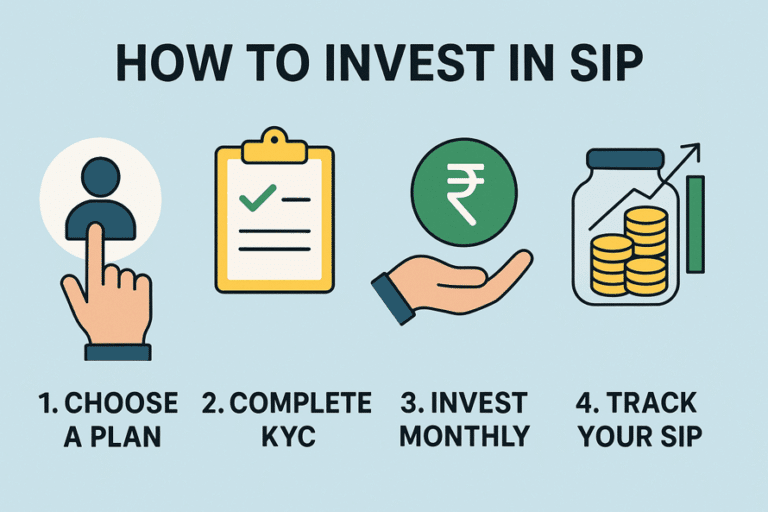
SIP works on a very simple principle: invest regularly and stay invested for the long term.When you invest through SIP:A fixed amount is invested at regular intervals.You buy more units when the market is low and fewer units when the market is high.Over time, this balances the cost of investment, known as rupee cost averaging.This approach reduces the risk of market timing and helps in building wealth steadily.Types of SIPThere are different types of SIPs designed to suit various investment needs:1. Regular SIPThis is the most common type of SIP where a fixed amount is invested at fixed intervals.2. Top-Up SIPIn a top-up SIP, you can increase your SIP amount periodically. This is useful when your income increases over time.3. Flexible SIPFlexible SIP allows investors to change the investment amount depending on their financial situation.4. Perpetual SIPThis SIP has no end date and continues until the investor stops it manually.5. Trigger SIPTrigger SIP activates investment based on market conditions, such as index level or NAV.Benefits of SIP1. Disciplined InvestingSIP encourages a habit of regular saving and investing, helping investors stay financially disciplined.2. Affordable and FlexibleYou can start SIP with as little as ₹500 per month, making it accessible to everyone.3. Rupee Cost AveragingBy investing regularly, you reduce the impact of market volatility.4. Power of CompoundingThe longer you stay invested, the more your money grows due to compounding.5. Convenient and AutomatedSIP investments are automated, saving time and effort.SIP vs Lump Sum InvestmentSIPLump SumInvest small amounts regularlyInvest a large amount at onceLower risk due to averagingHigher risk due to market timingIdeal for salaried individualsSuitable when market is lowWho Should Invest in SIP?SIP is ideal for:Beginners in investmentSalaried individualsLong-term investorsPeople with limited capitalInvestors seeking financial disciplineSIP and Power of CompoundingCompounding is the process where your investment earnings generate further earnings.For example:Monthly SIP: ₹5,000Time Period: 20 yearsExpected Return: 12% per annumYour total investment would be ₹12 lakh, but the final value could be over ₹50 lakh.This shows how powerful SIP can be when combined with long-term investing.Tax Benefits of SIPSome SIP investments, especially in ELSS (Equity Linked Saving Scheme) funds, offer tax benefits under Section 80C of the Income Tax Act.Tax deduction up to ₹1.5 lakh per yearLock-in period of 3 yearsPotential for higher returnsRisks Associated with SIPWhile SIP is safer than lump sum investing, it still involves market risks:Market fluctuationsNo guaranteed returnsShort-term losses possibleHowever, long-term investment reduces these risks significantly.Common SIP MythsMyth 1: SIP guarantees returnsSIP does not guarantee returns, but it reduces risk over time.Myth 2: SIP is only for small investorsEven high-income investors can use SIP to manage investments efficiently.Myth 3: SIP is a type of mutual fundSIP is not a mutual fund; it is a method of investing in mutual funds.How to Start a SIP?Starting a SIP is simple:Complete your KYCChoose a mutual fundDecide SIP amount and durationLink your bank accountStart investingYou can start SIP through mutual fund websites, apps, or investment platforms.Best Time to Start SIPThe best time to start SIP is now. The earlier you begin, the more time your money gets to grow.Trying to time the market often leads to missed opportunities.SIP for Different Financial GoalsSIP can be used for:Retirement planningChild educationBuying a houseWealth creationEmergency fund planningSIP for Beginners: Important TipsStart early and invest regularlyChoose funds based on your risk profileReview your SIP annuallyAvoid stopping SIP during market downturnsStay invested for long-term goalsConclusionA Systematic Investment Plan (SIP) is one of the simplest and most effective ways to build wealth over time. It promotes disciplined investing, reduces market risk, and takes advantage of compounding. Whether you are a beginner or an experienced investor, SIP can help you achieve your financial goals with consistency and patience.Investing through SIP is not about timing the market, but about time in the market. Start your SIP journey today and take a strong step toward a financially secure future.